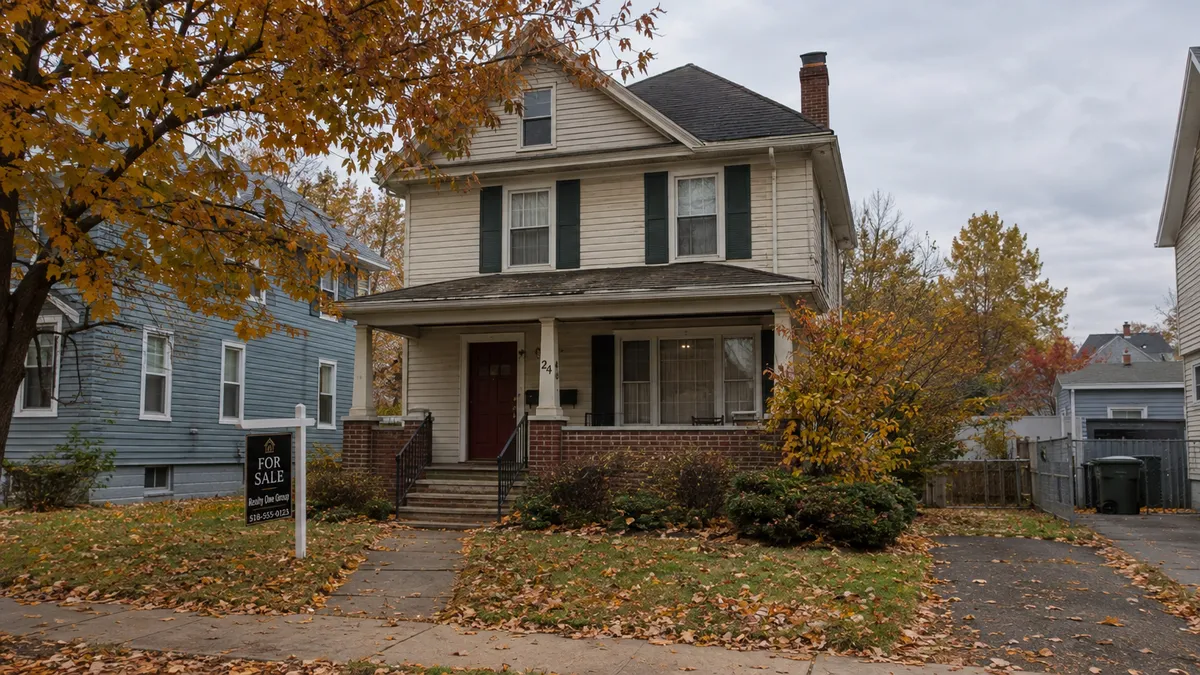
Thinking About Selling Your Rental Property in the Capital Region? What Landlords Should Know
Thinking About Selling Your Rental Property in the Capital Region? What Landlords Should Know
Owning a rental property in Albany, Saratoga, Troy, Schenectady, or anywhere else in the Capital Region can be a worthwhile investment — until it isn't. Property maintenance accumulates. Tenant situations change. Life circumstances shift. At some point, many landlords reach a moment where they ask: Is it time to sell?
Selling a rental property is a different process than selling a home you live in. There are tenant rights to consider, lease timelines to account for, and decisions about whether to sell the property occupied or vacant. This guide walks through the key considerations for Capital Region landlords thinking about selling a rental property — and explains where a direct cash sale may or may not be worth exploring.
This article covers general educational information only. Selling a rental property often involves legal, tax, and financial decisions that are specific to your situation. Consult with an attorney, tax advisor, and other qualified professionals before making decisions.
Why Capital Region Landlords Consider Selling
There is no single reason landlords decide to sell. The decision usually comes from one of several places:
- Management fatigue. Being a landlord in New York involves navigating a complex set of state and local requirements. Over time, the work can outweigh the return.
- Deferred maintenance. Older rental properties — and the Capital Region has many — can accumulate repair needs that are expensive to address before a traditional listing.
- Tenant situations. A difficult or non-paying tenant can make the property harder to show, refinance, or hold onto.
- Changing goals. Some landlords want to exit the rental business entirely. Others want to reinvest in a different type of property or market.
- Inherited rentals. Some Capital Region property owners didn't choose to become landlords — they inherited the property and have been managing it reluctantly.
- Financial timing. Market conditions, personal income levels, and tax situations can all influence when selling makes more sense than continuing to hold.
None of these reasons is better or worse than another. What matters is understanding your options clearly so you can choose a path that fits your goals and the property's situation.
Key Considerations Before Selling a Rental Property in New York
1. Tenant Rights Under New York Law
Selling a tenant-occupied property in New York is legal — but it comes with obligations. Under New York Real Property Law Section 226-c, landlords must provide written notice before ending a tenancy, with the required notice period depending on how long the tenant has lived there: 30 days for under one year, 60 days for one to two years, and 90 days for two or more years.
Importantly, a sale of the property does not automatically terminate a tenant's existing lease. The buyer generally steps into the seller's role as landlord and takes on the lease obligations at closing. A tenant with a fixed-term lease has continuing occupancy rights under that lease, regardless of who owns the property.
Albany has also implemented its own Good Cause Eviction law, which provides additional protections to tenants beyond state law. Landlords and buyers in Albany should be aware that this local ordinance affects what a new owner can and cannot do after a purchase closes. If your rental is in Albany or another municipality with similar local protections, understanding those rules before you sell is important.
Consult a qualified New York real estate attorney before making any decisions that affect your tenant's rights or housing situation.
2. Selling With a Tenant in Place vs. Selling Vacant
One of the first decisions a landlord faces is whether to sell the property while a tenant is in place or wait until it is vacant.
Selling with a tenant in place has advantages: a reliable tenant with a track record of payment can actually be attractive to investor buyers looking for immediate rental income. An occupied property also eliminates holding costs associated with a vacant home. The tradeoff is that occupied units can limit showings, complicate repairs, and narrow the pool of buyers. Owner-occupants are generally not in a position to purchase a property with an active tenant.
Selling vacant opens the property to a broader buyer pool that includes owner-occupants, which can mean more competition and a higher sale price in some cases. But waiting for a lease to expire means continuing to carry the property — property taxes, insurance, utilities, and maintenance — until that point arrives.
Which path makes sense depends on your tenant's lease status, the property's condition, your timeline, and what kind of buyer is most likely to purchase the property in its current state.
3. Property Condition and the Repair Decision
Many rental properties — especially older homes in the Capital Region — have deferred maintenance, outdated kitchens or bathrooms, aging mechanicals, or other condition issues that accumulated over years of tenancy. Before a traditional listing, sellers are often expected to address at least some of these issues.
For landlords who do not want to manage repairs, coordinate contractors while a tenant is in place, or invest money into a property they are trying to exit, this can be one of the most challenging parts of the sale process.
A direct cash sale is one option that allows landlords to sell the property in its current condition, without making repairs or upgrades before closing. This convenience comes with a tradeoff: a direct cash offer typically reflects the property's current condition and the buyer's need to build in a margin for their own costs and risks. Sellers considering this path should weigh what they receive against what they would net from a traditional sale after repairs, commissions, carrying costs, and other transaction expenses.
4. Tax Considerations When Selling a Rental Property
Selling a rental property involves tax considerations that differ from selling a primary residence. Unlike a homeowner selling their main home, a rental property seller does not qualify for the federal capital gains exclusion available under IRC Section 121.
When you sell a rental property, the IRS taxes any depreciation you previously claimed at a depreciation recapture rate. Capital gains on appreciation above your adjusted basis are also taxable. Some sellers explore a 1031 exchange — a mechanism that allows proceeds from one investment property sale to be reinvested into a qualifying replacement property on a deferred basis — as a way to manage their tax exposure.
These are complex decisions with meaningful financial consequences. Consult a tax advisor or CPA who is familiar with New York investment property sales before deciding how and when to sell.
5. Required Disclosures and Documentation
Selling a rental property in New York requires disclosing material facts about the property to potential buyers. This typically includes providing current lease agreements, rental payment history, any pending legal actions involving tenants, and known property issues. Buyers generally need this information to evaluate net operating income, maintenance history, and their obligations after closing.
When the property is sold, the security deposit held by the current landlord must be transferred to the new owner — or returned to the tenant with proper notice — as required under New York General Obligations Law Section 7-105. Keeping organized records throughout the sale process makes this transition cleaner for all parties.
Two Selling Paths for Capital Region Landlords
Traditional Listing With a Real Estate Agent
A traditional listing is a reasonable path for landlords whose property is in good condition, vacant or has a cooperative tenant, is financeable, and where the seller has flexibility on timing. A traditional sale offers the broadest possible buyer pool and typically the highest gross sale price in favorable conditions.
The tradeoffs include preparing the property for market, managing showings around a tenant's schedule, paying agent commissions, waiting for buyer financing to clear, and handling inspection requests. For a repair-heavy property or a situation where a tenant's cooperation is uncertain, the traditional listing path can be more complicated than it first appears.
Direct Cash Sale
A direct cash sale — selling the property as-is to a buyer who does not require financing — is an option that some landlords find worth exploring when the property needs significant repairs, when the tenant situation makes showings difficult, or when the landlord simply wants a more straightforward exit without managing the listing process.
Direct buyers who purchase rental properties are often accustomed to taking on tenant-occupied homes and properties with deferred maintenance. The sale can be structured so the lease transfers to the new owner at closing, with the tenant remaining in place.
The main tradeoff with a direct cash sale is the offer price. Cash buyers price their offers to account for the property's condition, the work required after purchase, and their own cost of capital. Sellers should compare a direct cash offer carefully against what they would realistically net from a traditional sale — factoring in repairs, carrying costs, commissions, and transaction expenses — before deciding which path fits their situation better.
What to Think Through Before You Decide
If you are a Capital Region landlord weighing whether to sell your rental property, here are some practical questions worth considering:
- What is your tenant's current lease status — fixed-term or month-to-month?
- How is your relationship with the tenant, and how might they respond to showings or a sale?
- What condition is the property in, and what would it cost to address before a traditional listing?
- Are you willing and able to manage those repairs — or would you prefer to sell without taking them on?
- What is your timeline? Do you have flexibility, or do personal or financial circumstances create some urgency?
- What are your tax implications, and have you spoken with a CPA about depreciation recapture and capital gains?
- Are you considering a 1031 exchange? If so, what is your plan for identifying a replacement property?
- What does your target buyer look like — an investor who wants the income stream, or an owner-occupant who needs a vacant home?
There is no universally correct answer. The right path depends on the specific property, the tenant situation, your financial picture, and what you most need from the sale.
A Note on Local Capital Region Conditions
The Capital Region includes a wide variety of rental stock — from single-family homes and duplexes in Albany, Troy, Schenectady, and Saratoga to smaller multifamily properties and older homes in surrounding towns. Buyer demand, local tenant protections, and typical sale timelines can vary between neighborhoods and municipalities.
Albany, for example, has its own local tenant protections that go beyond state law. If your property is in Albany, those ordinances affect what a buyer can do after closing and should be part of the disclosure and negotiation conversation.
Whether you are considering a traditional listing or a direct sale, working with people who understand the local market and local regulations — including an attorney who handles New York landlord-tenant matters — is worth the time.
Thinking About a Cash Offer for Your Capital Region Rental Property?
If you own a rental property in Albany, Saratoga, Troy, Schenectady, or the surrounding Capital Region area and you are curious about what a direct cash sale might look like for your situation, 518 Cash 4 Homes is available to talk it through.
There is no obligation to accept an offer, and no pressure to move forward before you are ready. Start by telling us about the property — its condition, tenant status, and what matters most to you — and we can help you understand whether a direct sale might be a fit.
Request a Cash Offer from 518 Cash 4 Homes
This article is for general educational purposes only and does not constitute legal, tax, financial, or investment advice. Selling a rental property in New York involves legal and financial considerations specific to your situation. Please consult a qualified attorney, CPA, and other appropriate professionals before making decisions.
