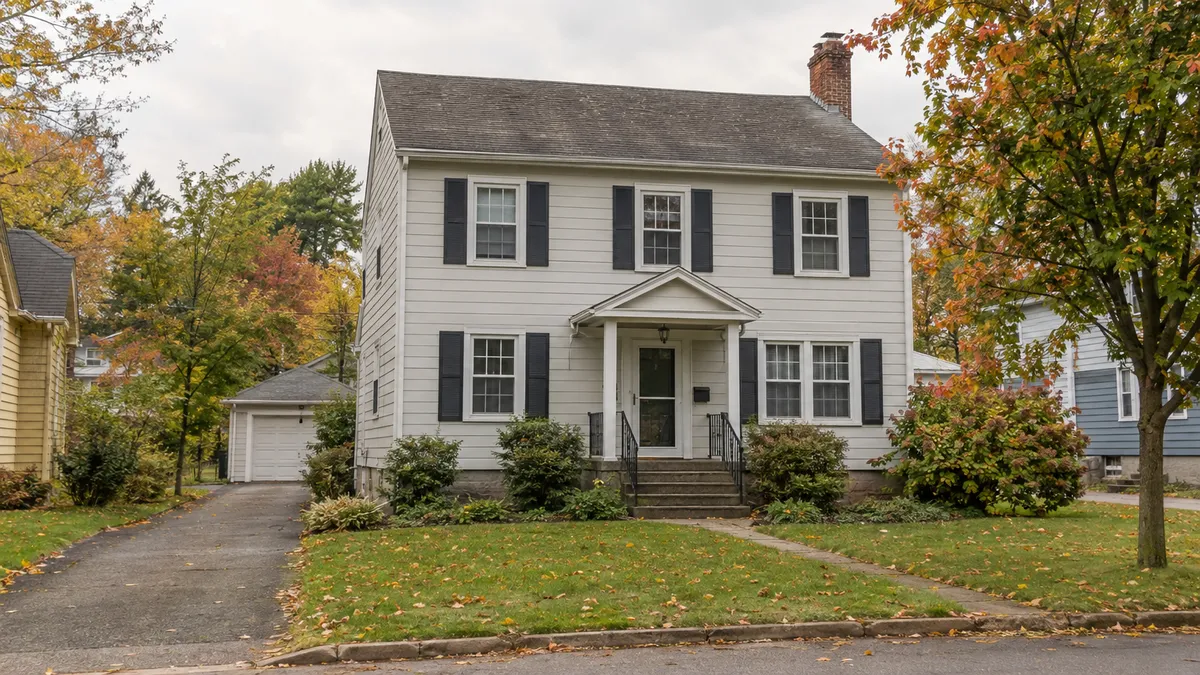
Selling a House Without a Real Estate Agent in New York: What Capital Region Homeowners Should Know
Selling a House Without a Real Estate Agent in New York: What Capital Region Homeowners Should Know
When it comes time to sell a home, one of the first decisions many homeowners face is whether to work with a real estate agent or to explore another path. For some sellers in Albany, Schenectady, Troy, Saratoga Springs, and the surrounding Capital Region, selling without an agent feels like a way to keep more control over the process. For others, it raises more questions than answers.
This article explains what selling without a real estate agent actually involves — including two common approaches, what each one typically requires, and how to think through the decision based on your property, your goals, and your situation.
Why Some Homeowners Consider Selling Without an Agent
The most common reason homeowners explore selling without an agent is cost. In a traditional sale, the seller typically pays a commission that covers both the listing agent and the buyer's agent. These costs can add up to a meaningful portion of the final sale price.
Beyond cost, some homeowners want more direct control over how their property is marketed, how showings are handled, and when the sale closes. Others are dealing with properties that may not be well-suited for a traditional listing — homes that need significant repairs, inherited properties, or houses that have been sitting vacant for a period of time.
That said, selling without an agent comes with real tradeoffs. Understanding what those tradeoffs are is essential before deciding which direction makes the most sense.
Two Main Paths for Selling Without a Real Estate Agent
When homeowners choose not to list with an agent, there are generally two directions they consider: selling the home themselves (commonly called FSBO), or selling directly to a buyer — such as a cash home buyer.
1. For Sale By Owner (FSBO)
FSBO means the homeowner markets the property, handles inquiries, coordinates showings, negotiates directly with buyers, and manages the paperwork from offer to closing — without the help of a listing agent.
In New York State, real estate transactions require specific legal documentation. Most sellers who go the FSBO route choose to work with a real estate attorney to handle the contract and closing process. This is a standard practice in New York, where attorneys are commonly involved in residential closings regardless of whether an agent is present.
Potential advantages of FSBO:
- No listing agent commission, which may reduce selling costs
- Direct control over marketing, showing schedule, and negotiations
- Flexibility to set your own timeline and terms
Common challenges of FSBO:
- Marketing reach is typically more limited than a Multiple Listing Service (MLS) listing
- Pricing accurately without access to professional comparable sales data can be difficult
- Coordinating showings, responding to inquiries, and managing negotiations takes significant time
- Paperwork, disclosures, and closing logistics require careful attention — errors can cause delays or legal issues
- If the buyer is working with an agent, the seller may still pay a buyer's agent commission
FSBO can work well for motivated sellers who are comfortable with the process and have time to dedicate to it. It tends to work best when the property is in solid condition, accurately priced, and located in an area with strong buyer demand.
2. Selling Directly to a Cash Buyer
Another option for selling without a real estate agent is working directly with a cash home buyer. Instead of listing the property on the open market, the homeowner contacts a buyer directly, receives an offer, and — if the terms work — moves toward closing without a traditional listing process.
Direct cash sales have become a common option for homeowners who are dealing with properties that may not be well-suited for the traditional market — homes that need repairs, houses that have been sitting vacant, rental properties with complications, or inherited homes where the new owners simply want to move on without managing a lengthy sale.
Potential advantages of a direct cash sale:
- No listing, showings, or open houses
- The property is typically purchased as-is, meaning the seller does not need to make repairs or updates before closing
- The process can move more quickly than a traditional sale, since there is no mortgage financing contingency from the buyer
- No listing agent commission
- Sellers can often choose their preferred closing date
Considerations to keep in mind:
- A direct cash offer may be lower than what a fully prepared, market-ready home might achieve on the open market — buyers factor in condition, repairs, and market risk
- Not all cash buyers operate the same way — it is worth asking questions before agreeing to anything
- Sellers should review any offer carefully and, when appropriate, consult with a real estate attorney before signing
A direct sale is not the right fit for every homeowner or every property. But for sellers who prioritize simplicity, timeline, or condition flexibility over maximizing market exposure, it is worth considering alongside other options.
What New York Law Requires When Selling a Home
Selling a home in New York — with or without a real estate agent — involves several legal requirements that sellers should understand.
Seller Disclosures
New York State requires sellers to complete a Property Condition Disclosure Statement. This document asks sellers to identify known conditions and defects affecting the property. Sellers who choose not to complete the disclosure may instead provide a credit to the buyer at closing — but it is worth understanding the implications of each approach. Consulting a real estate attorney before deciding is a reasonable step.
Transfer Taxes
New York State charges a real estate transfer tax on most residential property sales. Depending on the sale price and location, additional local or municipal transfer taxes may also apply. These costs are worth factoring into your overall estimate of net proceeds, regardless of whether you sell with or without an agent.
For current information on New York State transfer taxes, the New York State Department of Taxation and Finance is the authoritative source.
Closing Attorneys
New York is an attorney state, meaning it is standard practice — and strongly advisable — to have a real estate attorney represent you at closing, regardless of the sale method. An attorney reviews the purchase contract, handles title issues, prepares deed documentation, and protects your interests through the transaction.
Questions to Ask Before Deciding How to Sell
Whether you are considering FSBO, a direct cash sale, or a traditional listing, these questions can help you think through what matters most for your situation:
- What condition is the property in? A home that needs significant repairs may be harder to price and show on the open market. Selling as-is to a direct buyer may be more practical.
- How much time do you have? FSBO requires consistent time and attention. A direct sale typically requires less ongoing effort from the seller.
- What is your priority — maximum sale price or simplicity and speed? These goals sometimes align, but often they involve tradeoffs.
- Is the property occupied or vacant? Vacant homes carry ongoing holding costs — property taxes, insurance, utilities, and maintenance — that continue to add up the longer the property sits unsold.
- Are there any title complications, inherited ownership interests, or other factors that could complicate a traditional sale? Some situations are easier to resolve through a direct transaction.
- How comfortable are you handling negotiations and paperwork? FSBO requires comfort with legal documents and direct communication with buyers or their agents.
When a Traditional Listing Still Makes Sense
It is worth being clear: for many homeowners, listing with an experienced real estate agent remains the most effective path to achieving strong market exposure and a competitive sale price. A skilled agent brings market knowledge, professional marketing, a buyer network, and negotiating experience that can be difficult to replicate on your own.
If your home is in good condition, competitively priced, and you have the flexibility to manage showings and a longer timeline, a traditional listing is worth considering alongside any other option.
The goal of this article is not to steer you toward any single approach — it is to make sure you understand what each option involves so you can make a decision based on your actual situation.
Selling Without an Agent in the Capital Region: What to Expect Locally
The Capital Region includes a wide range of property types and neighborhoods — from older two-family homes in Albany and Troy to single-family houses in suburban communities across Albany, Rensselaer, Saratoga, and Schenectady counties. Market conditions vary by neighborhood, price range, and property type.
For homeowners in this area, a few local considerations worth keeping in mind:
- Older housing stock is common across the region. Many properties have deferred maintenance, older systems, or cosmetic needs that affect how easily they show to traditional buyers.
- Seasonal timing matters in Upstate New York. Buyer activity tends to slow heading into late fall and winter, which can affect how long an open-market listing takes to sell.
- Properties in transitional neighborhoods or with unique zoning situations may attract a narrower pool of traditional buyers.
Understanding these dynamics can help you set realistic expectations about pricing, timing, and which selling method is most likely to work for your specific property.
Next Step: Learn Your Options for Your Property
If you own a property in Albany, Schenectady, Troy, Saratoga Springs, or the surrounding Capital Region and are weighing your options, 518 Cash 4 Homes can provide a straightforward starting point.
We work directly with homeowners who want to understand what a direct cash sale might look like for their property — whether the home needs repairs, has been sitting vacant, was recently inherited, or is simply a property you are ready to move on from. There is no obligation to accept an offer, and requesting information costs you nothing.
Thinking about selling a property in the Capital Region? Tell 518 Cash 4 Homes about the property and learn what options may be available.
This article is intended for general educational purposes. It does not constitute legal, financial, or tax advice. Homeowners dealing with complex property situations — including title issues, inherited property, tax liens, or other legal matters — should consult a licensed real estate attorney or other qualified professional.
