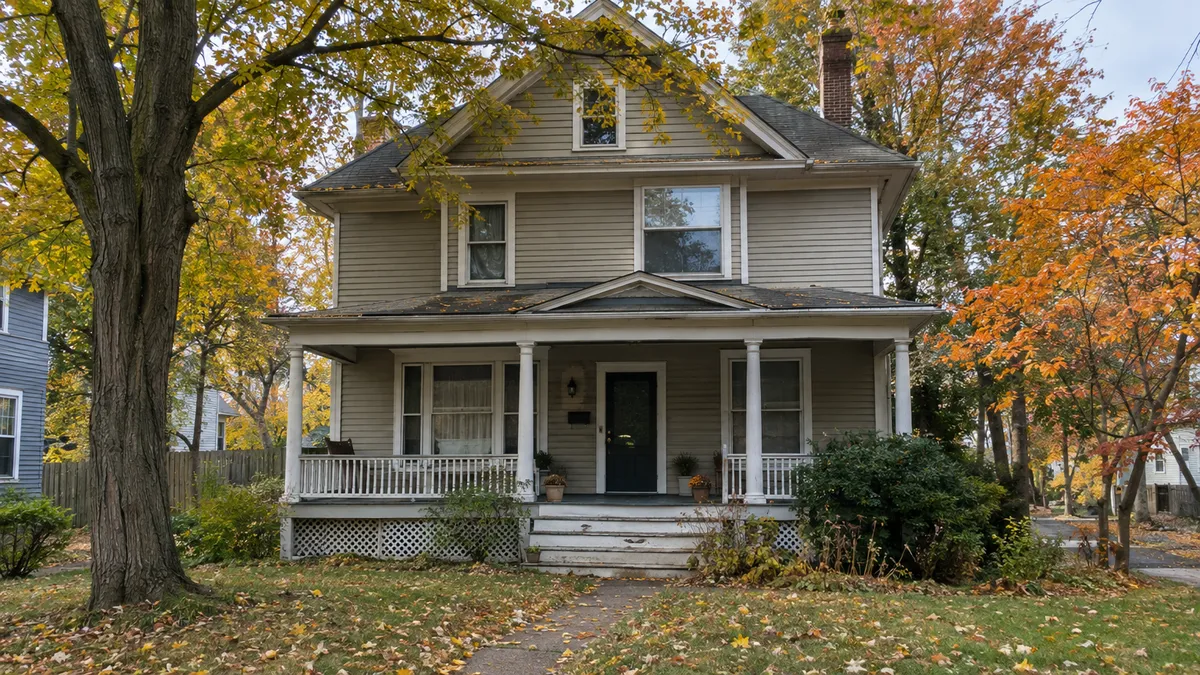
What Does Selling As-Is Actually Mean?
When a homeowner sells a property as-is, they are letting the buyer know upfront that the home will not be repaired or updated before closing. The buyer accepts the property in its current condition.
This does not mean a seller is hiding problems. In New York State, sellers are generally required to complete a Property Condition Disclosure Statement covering known defects before a buyer signs a purchase contract. Selling as-is simply means the seller is not making fixes as part of the transaction — the disclosure obligation still applies.
Common situations where homeowners consider an as-is sale include:
- A home that needs significant repairs the seller is not able or willing to complete
- An older property with outdated systems, kitchens, or bathrooms
- An inherited home that has been vacant or not well-maintained
- A property where the owner has relocated and cannot manage a renovation remotely
- A situation where the homeowner wants a simpler, more straightforward process
Selling as-is does not describe a type of person or a desperate situation. It describes a selling approach.
New York State Disclosure Requirements Still Apply
Selling as-is does not exempt you from New York State disclosure requirements. Under the Property Condition Disclosure Act, sellers of residential property are required to complete and deliver a Property Condition Disclosure Statement to the buyer before signing a purchase contract. The statement asks sellers to answer questions about the property to the best of their knowledge, covering areas such as structural conditions, water and flood history, environmental hazards, and legal matters.
Sellers who knowingly provide false or incomplete information can be held liable. Working with a qualified New York real estate attorney to complete the disclosure accurately is a reasonable step for any seller. The New York Department of State provides general information about residential real estate transactions for those who want to learn more.
What Buyers Expect When a Home Is Sold As-Is
The buyer pool for an as-is property is typically different from the pool for a move-in-ready home. Many buyers using conventional or FHA financing expect a property to meet certain condition standards. If the home has significant issues — structural problems, a failing roof, or older electrical systems — some buyers may not be able to obtain financing approval regardless of their interest in the property.
This is one reason as-is sales often attract cash buyers, investors, or buyers willing to take on renovation projects. These buyers factor the cost of needed repairs into what they are able to offer, which generally means the offer reflects the property's current condition rather than its fully updated potential. That is how the math works on both sides: a buyer who plans to invest in a property after purchase has to account for that cost in their offer today.
Two Paths for Selling As-Is
If you have decided you do not want to make repairs before selling, there are generally two directions to consider.
List the Property on the Open Market As-Is
You can work with a real estate agent to list the home at a price that reflects its current condition. The listing makes clear the home is being sold as-is, and interested buyers — including investors and cash buyers — can submit offers. This approach gives you open-market exposure and the potential for multiple competing offers.
The tradeoffs: the property may stay on the market longer than a renovated comparable home, buyer financing can fall through if condition issues complicate the appraisal or inspection, and you will still navigate agent commissions, showings, and the standard listing timeline.
Sell Directly to a Cash Home Buyer
A direct cash sale skips the listing process entirely. A buyer assesses the property, makes an offer based on its current condition, and — if you accept — the transaction moves toward closing without the home going on the open market.
This approach tends to appeal to homeowners who want to avoid showings and open houses, need a more predictable timeline, or have a property that is unlikely to attract conventional financing in its current state. The tradeoff is that you are exchanging open-market competition for a more straightforward and predictable process. Whether that makes sense depends on your property, your timeline, and what matters most to you.
Repair vs. Sell As-Is: Key Questions to Ask Yourself
Before deciding whether to make repairs or sell as-is, it helps to be honest about a few practical questions.
What Would the Repairs Actually Cost?
Get real numbers from licensed contractors, not rough estimates. Many homeowners underestimate renovation costs — especially for older Upstate New York homes that may have aging infrastructure, older plumbing, or outdated electrical. What looks like a cosmetic fix can sometimes reveal deeper issues once work begins.
How Much Would Repairs Add to the Sale Price?
Not every dollar spent on repairs comes back in the sale price. Some improvements — particularly in neighborhoods where comparable homes are already selling within a certain price range — may not move the final number as much as a seller expects. A local real estate professional can help you evaluate this with real comparable data from your area.
How Much Time and Capacity Do You Have?
Renovating before a sale takes time, contractor coordination, and a willingness to manage unexpected delays. For some homeowners — particularly those handling an estate, managing a life transition, or living out of the area — the time and energy required is a meaningful factor in the decision.
What Is Your Priority?
Some homeowners prioritize the highest possible sale price. Others prioritize a clean and uncomplicated process. Neither goal is wrong. The right path depends on what matters most to you and your specific situation.
Is Selling As-Is Right for Your Property?
There is no universal answer. Selling as-is is a reasonable choice for many homeowners in the Capital Region — particularly those with older homes, properties that need significant work, inherited houses, or situations where timing and simplicity matter more than maximizing every dollar.
For other homeowners — especially those with properties in strong condition or in high-demand neighborhoods — a traditional listing with targeted updates may produce a higher net outcome after accounting for repair costs and commissions.
The most useful thing you can do before deciding is compare both paths with real numbers: what repairs would cost, how they might affect your sale price, and what a direct offer would look like. That comparison gives you something concrete to weigh rather than guessing.
How 518 Cash 4 Homes Works with As-Is Properties
518 Cash 4 Homes works with property owners in Albany, Schenectady, Troy, Saratoga Springs, and surrounding Capital Region communities who are considering a direct sale of their home in its current condition. There is no requirement to clean out the property, make repairs, or update anything before requesting an offer.
The process starts with a conversation about the property — what it is, where it is, and what matters most to you — and moves at whatever pace fits your situation. A direct offer from 518 Cash 4 Homes is not an obligation. It is one option to put on the table so you can compare it clearly to others before making a decision.
Ready to Explore Your Options?
If you are thinking about selling a property in the Capital Region — whether it needs work, has been sitting vacant, came to you through an estate, or you are simply not sure where to start — tell 518 Cash 4 Homes about the home and learn what a direct cash sale might look like for your situation.
Request a Cash Offer from 518 Cash 4 Homes
You can also reach the team directly at (518) 712-6082 if you prefer to start with a conversation.
This article is for general informational purposes only. Homeowners with questions about disclosure obligations, legal requirements, or tax considerations related to a property sale should consult a qualified New York real estate attorney or other appropriate professional.
