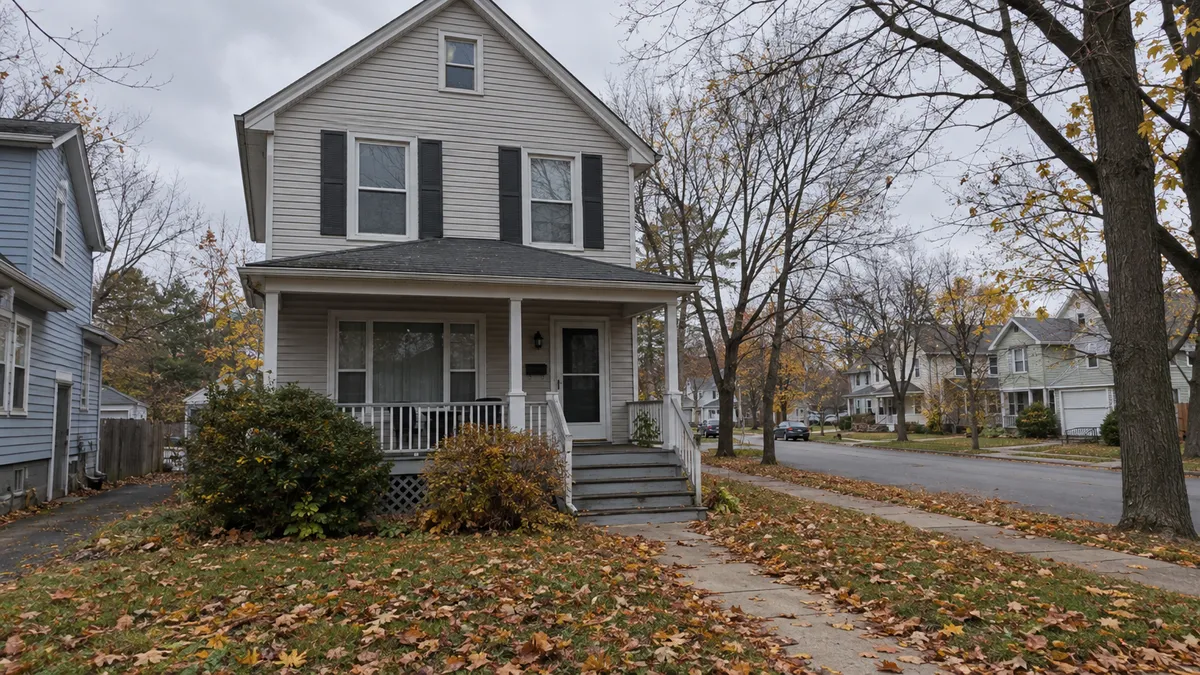
What New York Homeowners Should Know When Facing Foreclosure: Options, Timelines, and Steps to Take
What New York Homeowners Should Know When Facing Foreclosure: Options, Timelines, and Steps to Take
Missing mortgage payments is stressful. If you're a Capital Region homeowner who has fallen behind, you may be wondering how serious the situation is, what happens next, and whether there is anything you can do.
This article explains how foreclosure works in New York State in plain terms — what the process looks like, how long it typically takes, what options homeowners generally have, and where to get help. It is written for educational purposes only. For advice specific to your situation, please consult a qualified New York real estate attorney or a HUD-approved housing counselor.
New York Is a Judicial Foreclosure State
One of the most important things to understand about foreclosure in New York is that lenders cannot take your home without going through the courts. New York is a judicial foreclosure state, which means your lender must file a lawsuit and obtain a court judgment before any sale can take place.
That process moves through fixed legal checkpoints — notices, filings, hearings, mandatory conferences, and ultimately a court-authorized sale. Each step takes time, and the overall timeline is typically measured in months to years, not days.
That extended timeline is not a reason to ignore the situation. But it does mean most homeowners have more time to explore options than they might expect.
A General Overview of the New York Foreclosure Timeline
Every situation is different, and the actual timeline in any individual case depends on many factors — the lender, the court's schedule, whether you respond to the lawsuit, and whether a resolution is reached along the way. That said, here is a general framework of how the process unfolds.
Missed Payments and Early Delinquency
The foreclosure process does not begin the moment you miss a payment. Most lenders do not take formal legal action until a loan is significantly past due — often 90 days or more. During the first 30 to 90 days of delinquency, you may receive notices and calls from your loan servicer. This early period is often the best time to contact your servicer directly to discuss options like a repayment plan, forbearance, or a loan modification.
The 90-Day Pre-Foreclosure Notice
Before a lender can file a foreclosure lawsuit in New York, they are required by law — under Real Property Actions and Proceedings Law (RPAPL) Section 1304 — to send you a formal 90-day pre-foreclosure notice. This notice must be sent at least 90 days before the lender can file suit. It includes information about your loan status and resources available to help you.
Receiving this notice means the process has started — but it also means you still have time. This is a meaningful window to contact your lender and to reach out to a housing counselor or attorney.
Filing of the Summons and Complaint
After the 90-day notice period, if no resolution has been reached, the lender may file a foreclosure lawsuit in New York State Supreme Court in the county where the property is located. You will be served with a summons and complaint. You generally have 20 to 30 days to file a formal answer, depending on how you were served.
Responding to the lawsuit is important. Homeowners who do not respond may have a default judgment entered against them, which can shorten the process considerably.
Mandatory Settlement Conference
For owner-occupied one-to-four-family homes, New York law requires the court to schedule a mandatory settlement conference after the foreclosure action is filed. These conferences are conducted by a court-appointed referee and require both the lender and the homeowner to participate and negotiate in good faith. Options discussed at these conferences can include loan modifications, repayment plans, or other arrangements.
This court-supervised process is one of the stronger borrower protections available in New York, and it is not found in states that use a non-judicial foreclosure process. Participating actively — and ideally with the assistance of an attorney or housing counselor — matters.
Judgment, Referee Sale, and Auction
If a resolution is not reached and the lender succeeds in the lawsuit, the court enters a judgment of foreclosure and sale. A referee is appointed to conduct a public auction, typically at the county courthouse. The notice of sale must be published in advance. The property is sold to the highest bidder.
An important point: New York does not provide a statutory right of redemption after the foreclosure sale. Once the auction is complete and the sale is confirmed, the right to pay off the debt and reclaim the home is gone. All meaningful decisions need to happen before the sale.
How Long Does Foreclosure Take in New York?
New York consistently has one of the longest foreclosure timelines in the country. The overall process — from the first missed payment to a completed sale — typically takes one to three years, and contested cases sometimes take longer. Court backlogs, mandatory notice periods, and the settlement conference process all contribute to that timeline.
That extended process is not a signal to wait and see. It is time that can be used productively — to explore options, talk to professionals, and make thoughtful decisions.
What Options May Be Available to Homeowners
Homeowners facing delinquency or foreclosure in New York generally have several options to consider, depending on their specific situation, how far along the process is, and what their goals are. This is an overview of common general categories — it is not legal or financial advice, and the right path for any individual homeowner depends on facts specific to their situation.
Contact Your Loan Servicer Early
Mortgage servicers have a financial incentive to avoid a costly foreclosure process. If you are behind or expect to fall behind, contacting your servicer early — before formal proceedings begin — often opens up options that become harder to access later. These can include repayment plans, forbearance agreements, or loan modification programs.
Work with a HUD-Approved Housing Counselor
Free foreclosure prevention assistance is available to New York homeowners through the state's Homeowner Protection Program (HOPP), administered by the New York Attorney General's office. HOPP connects homeowners with a statewide network of housing counseling and legal services organizations that provide help with loan modifications, court representation at settlement conferences, and general guidance. The HOPP hotline is (855) 466-3456, and additional information is available at HomeownerHelpNY.org. This service is free and does not require going through a third-party company.
Explore a Loan Modification
A loan modification changes the terms of your existing mortgage — the interest rate, the repayment period, or the amount owed — to make ongoing payments more manageable. The mandatory settlement conference process in New York is specifically designed to give homeowners structured access to modification negotiations under court supervision.
Consider Selling the Property
Homeowners who have equity in the property — meaning the home is worth more than the remaining mortgage balance — may have the option to sell the home before the foreclosure sale concludes. As long as you remain the legal owner, you can choose to list the property or pursue a direct sale. If a sale closes before the foreclosure auction, the mortgage balance is paid off from the proceeds, and any remaining equity goes to you.
For some homeowners, this can be a practical option worth exploring — particularly if the property has deferred maintenance or needs repairs that would make a traditional listing complicated. A direct cash offer can be one way to explore a sale without first completing repairs, managing showings, or waiting through a lengthy listing process. The timing, the amount any offer represents, and whether a sale makes sense in your specific situation are all things to evaluate carefully.
If you are interested in exploring a direct cash offer on your Capital Region property, you can tell 518 Cash 4 Homes about your situation at cashoffers.t1-realestate.com.
Consult a New York Real Estate Attorney
Foreclosure involves legal deadlines, court filings, and rights that vary based on your specific circumstances. An attorney who practices New York foreclosure law can review your situation, explain your options, help you respond to the lawsuit, and represent you at settlement conferences. The earlier in the process you get legal guidance, the more options are typically available to you.
What Happens to Your Credit
A completed foreclosure has significant credit consequences. A foreclosure notation can remain on a credit report for seven years and may reduce a credit score substantially. The impact tends to diminish over time, particularly if you take active steps to rebuild credit — but it is a meaningful consideration when evaluating options.
Homeowners who resolve the situation through a sale, modification, or repayment arrangement before foreclosure is completed may experience less credit damage than those whose foreclosure proceeds all the way through. How any resolution affects your specific credit situation depends on your circumstances, and that is a conversation worth having with a financial or housing counselor.
A Few Things to Watch Out For
Unfortunately, homeowners in financial distress are sometimes targeted by scammers who charge fees for services that are available for free, or who make promises they cannot keep. If someone you have not contacted approaches you offering to stop your foreclosure for an upfront fee, be cautious. Free assistance is available through HOPP and through legal aid organizations in the Capital Region.
Legitimate housing counselors and attorneys do not ask for large upfront payments before providing any services. If something feels off, check with the New York Attorney General's office or a local legal aid organization before proceeding.
Key Takeaways for Capital Region Homeowners
- New York requires foreclosure to go through the court system. Your lender cannot take your home without filing a lawsuit and obtaining a court judgment.
- The process includes a mandatory 90-day pre-foreclosure notice period before a lawsuit can be filed.
- An owner-occupied residential home is entitled to a mandatory settlement conference where both parties must negotiate in good faith.
- The overall timeline from first missed payment to completed sale typically ranges from one to three years or more.
- You remain the legal owner — and can choose to sell — at any point before the foreclosure auction is completed.
- Free foreclosure prevention help is available through New York's Homeowner Protection Program (HOPP) at (855) 466-3456 or HomeownerHelpNY.org.
- Consulting a New York real estate attorney early in the process can help you understand your specific rights and options.
Thinking About What to Do with Your Property?
If you own a home in Albany, Saratoga, or the broader Capital Region and are trying to figure out what your options are — whether that means exploring a sale, understanding what a direct cash offer looks like, or simply learning what path may fit your situation — 518 Cash 4 Homes is available to talk through it.
There is no obligation to any particular course of action. We help Capital Region property owners understand what a direct sale might involve and whether it could be a fit given their goals and timeline.
Tell us about your property and request a cash offer →
This article is provided for general educational purposes only and does not constitute legal, financial, or tax advice. Foreclosure law in New York is complex and fact-specific. If you are facing foreclosure or significant mortgage delinquency, please consult a qualified New York real estate attorney and consider reaching out to a HUD-approved housing counselor through the New York Homeowner Protection Program.
