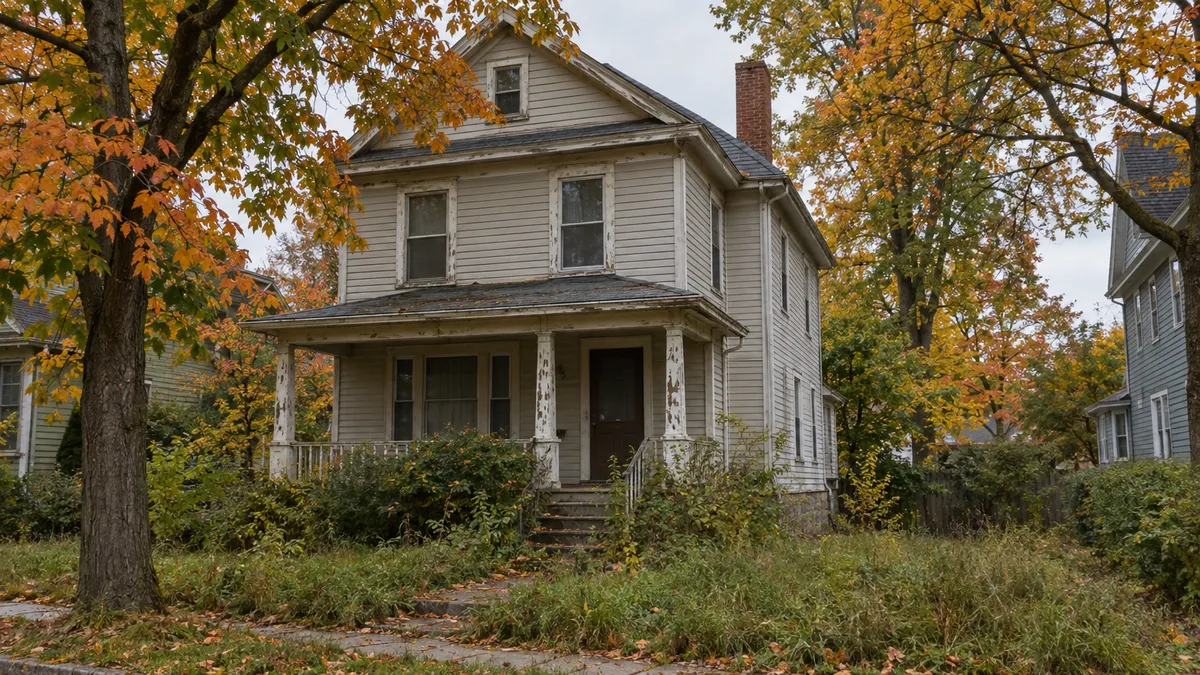
What It Really Costs to Hold an Inherited Property in the Capital Region
Inheriting a home can feel like a meaningful gift or an unexpected responsibility. For many heirs in Albany, Troy, Schenectady, Saratoga Springs, and surrounding areas, the reality often lands somewhere in between.
The emotional weight of dealing with a loved one's home is real. But there is also a financial weight that is easy to underestimate: the ongoing cost of holding a property you are not yet sure what to do with.
This article walks through the actual expenses that tend to accumulate on inherited properties in Upstate New York and what options are available to heirs who are weighing their next steps.
Why Holding Costs Matter More Than You Might Expect
Many heirs assume they can take their time deciding what to do with an inherited property. And in many cases, that is absolutely true. But time is not free. Every month a property sits without a plan, expenses continue. Property taxes are due on schedule. Utility accounts stay active or need to be managed. Insurance coverage may need to be adjusted or maintained. In the Capital Region, where winters are significant, seasonal maintenance alone can become a real financial consideration.
Understanding what it actually costs to hold an inherited property helps heirs make a more informed decision, whether that decision is to hold, rent, list traditionally, or explore a direct sale.
Common Ongoing Expenses on Inherited Properties
Property Taxes
Property taxes in New York State continue regardless of whether a home is occupied, in probate, or awaiting a sale decision. In the Capital Region, property tax rates vary significantly by municipality. Albany, Schenectady, and Troy all have different rates, and rural towns in Saratoga or Rensselaer counties differ further.
Heirs should contact the local assessor's office to confirm who is responsible for taxes on an inherited property and whether any exemptions the previous owner held, such as the STAR program, remain in effect. In many cases, exemptions tied to the original owner do not automatically transfer to the heir. The New York State Department of Taxation and Finance and individual county assessor offices can provide current guidance specific to the property's location.
Missing property tax payments can create additional complications, including potential tax liens, so staying current on this obligation is important regardless of what you ultimately decide to do with the property.
Homeowners Insurance
Standard homeowner's insurance policies are generally designed for occupied homes. When a property becomes vacant, as is common with inherited homes, coverage requirements may change.
Many insurers require a separate vacant property or unoccupied home policy when a home sits empty for an extended period, often defined as 30 to 60 days. Vacant property policies tend to carry higher premiums than standard homeowner's policies, and the definition of vacant varies by insurer.
It is worth contacting your insurance provider or broker early to understand what coverage applies to an inherited home and whether any policy adjustments are needed. Leaving a vacant property uninsured or underinsured creates meaningful financial exposure.
Utilities
Even a vacant home needs some level of utility service, particularly during Upstate New York winters. Heating is not optional if there is any risk of freezing pipes. A burst pipe in an unheated home can cause thousands of dollars in damage.
Heirs typically have a few choices: maintain minimal heat service through the winter, properly winterize the home with the help of a plumber or contractor, or sell the property before winter arrives. Each approach has different cost implications.
Water, electric, and other utility accounts may also need to be transferred into the heir's name or managed on behalf of the estate. Leaving accounts in the name of a deceased owner can create complications over time.
Basic Maintenance
Even a property that is not actively being used requires some upkeep. Grass grows. Leaves fall. Snow accumulates. Local municipalities, including most cities and towns in the Capital Region, may issue code violations for unmaintained properties, adding potential fines on top of maintenance costs.
If the property has been vacant or deferred maintenance has accumulated over time, the physical condition can also decline further while a decision is being made. Roof issues that go unaddressed become more expensive. Moisture that enters through a failing seal or damaged flashing can spread.
For heirs who live out of the area, maintaining a vacant property from a distance adds additional complexity and often requires hiring local help.
Mortgage or Estate Obligations
If the inherited property still carries a mortgage, that obligation does not disappear with the original owner. Estate and probate rules in New York govern how existing mortgage debt is handled, and in some circumstances heirs may need to continue payments or work with the servicer during the transition. An estate attorney can help navigate the specifics of any mortgage on an inherited property.
Other estate-related costs may also apply during the holding period, including legal fees for probate administration and executor expenses.
When Holding Costs Are Worth It and When They May Not Be
Holding an inherited property makes clear sense in some situations. If the home is in good condition, the market timing seems favorable, and heirs have the resources and bandwidth to manage the property and prepare it for a traditional listing, waiting may lead to a better outcome.
It may make less sense when the property needs significant repairs and the cost of those repairs is unclear, when heirs live far from the property and cannot easily manage it, when multiple heirs have different opinions and timelines, when the ongoing monthly costs are adding up in a way that erodes potential proceeds, when the property is vacant and heading into a Capital Region winter, or when the estate needs to be settled within a specific timeframe.
There is no universal right answer. The decision depends on the property's condition, the local market, the heir's financial situation, and how quickly the estate needs to be resolved.
Selling Options for Inherited Properties in the Capital Region
Heirs generally have a few paths available when it comes to selling an inherited property in Upstate New York.
Traditional Listing With a Real Estate Agent
A traditional listing on the open market may generate the highest sale price when the property is in good condition and the heir has time to prepare the home, coordinate repairs or updates, and wait through a full marketing and closing process. Agent commissions, closing costs, and any required repairs factor into the net proceeds.
Selling As-Is to a Direct Buyer
Some heirs prefer to sell the property in its current condition without making repairs or investments. A direct cash sale allows heirs to transfer the property without preparing it for the open market or managing a traditional listing process. The tradeoff is generally a lower sale price compared to what a fully marketed and prepared home might achieve, but for many heirs, the simplicity and speed are worth it.
518 Cash 4 Homes works with property owners in Albany, Troy, Schenectady, Saratoga Springs, and surrounding Capital Region communities. If you have inherited a property and want to understand whether a direct cash offer might fit your situation, you can share details about the property and explore what options are available.
Renting the Property
In some cases, heirs consider converting an inherited property into a rental. This can be a viable long-term option for some families, but it also comes with its own obligations, including landlord responsibilities, ongoing maintenance, tenant management, and compliance with New York rental law. It is worth speaking with a property management professional or attorney before pursuing this path.
A Few Practical Steps for Heirs Managing an Inherited Property
Verify tax status early by contacting the local assessor's office to confirm tax obligations and any exemptions that may have changed. Review or establish insurance coverage to confirm the property is appropriately insured for its current occupancy status. Manage utility accounts by transferring or activating them as needed, and address heating before winter if the property will remain vacant. Document the property's condition with photographs and a walk-through to establish the baseline and inform selling or repair decisions. Understand the probate status by working with an estate attorney if the property is still moving through New York's probate process. And consult a tax professional, since inherited properties in New York may involve stepped-up cost basis and potential capital gains considerations when sold.
The Bottom Line
Holding an inherited property in the Capital Region is not cost-free. Property taxes, insurance, utilities, maintenance, and possible estate-related expenses all accumulate month by month. For some heirs, taking the time to prepare the home for a traditional sale is the right call. For others, the ongoing costs, the distance, the property's condition, or the need to close the estate make a quicker, simpler path more practical.
The important thing is to go in with a clear picture of what holding actually costs and to make a decision that reflects your real situation, not just the one that feels easiest to defer.
Thinking About Selling an Inherited Property?
If you have inherited a home in Albany, Troy, Schenectady, Saratoga Springs, or anywhere in the Capital Region, 518 Cash 4 Homes can give you a straightforward cash offer with no obligation. Tell us about the property and learn what options may be available to you.
Request a Cash Offer from 518 Cash 4 Homes
This article is for general informational purposes only and does not constitute legal, tax, financial, or estate planning advice. Inherited property situations vary significantly. Consult a licensed New York attorney, CPA, or other qualified professional for guidance specific to your circumstances.
